I approach wedding rentals as a practical part of building a comfortable, well-organized celebration, rather than treating them as a last-minute decorating task. As a Tampa Bay wedding rental coordinator, I pay close attention to how guests move through a venue, how the weather may affect outdoor arrangements, and how each rental fits the couple’s plans. A beautiful setup can lose its appeal when guests have nowhere convenient to sit or the dining area feels crowded. I prefer to work through these details early, while there is still room to make sensible changes.
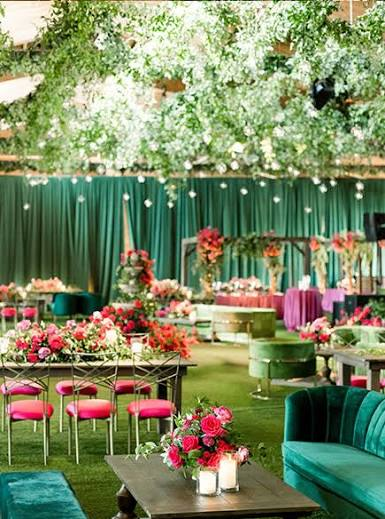
Designing a Layout That Works for Real Guests
I begin by studying the venue layout before discussing individual rental pieces. A waterfront property, a garden venue, and a hotel ballroom each create different demands, even when the guest count stays around 100 people. I look at the ceremony entrance, the distance between dining tables, and the route guests will take to reach restrooms or refreshments. These details help me determine how many chairs, tables, cocktail tables, and service stations will fit without making the room feel cramped.
I also ask couples how they expect their guests to spend the evening. Some prefer a formal dinner with assigned seating, while others want an open reception with lounge furniture and plenty of room for dancing. For a reception with 120 guests, I might suggest a combination of dining tables, a few high-top tables, and a separate seating area for people who need a break from the dance floor. I avoid filling every open corner simply because additional furniture is available.
One couple I worked with last spring wanted a relaxed reception but had initially planned to place all their tables close to the stage. I suggested leaving a wider passage between the dining area and the entertainment space, which made it easier for older guests to move around and gave the photographer a clearer route. The adjustment required moving only a few tables. Small layout decisions can have a noticeable effect on the evening.
Choosing a Rental Provider and Confirming the Details
I encourage couples to compare rental providers based on their inventory, delivery arrangements, setup services, and ability to work with the venue’s requirements. A company may have attractive furniture, but I still want to know whether the quoted price includes delivery, collection, and any labor needed to position larger pieces. Couples researching wedding rentals Tampa can use a dedicated event rental service as a starting point for discussing the items that match their celebration. I recommend requesting an itemized quote so the actual costs are easier to compare.
I pay particular attention to the rental agreement. It should identify the selected items, quantities, delivery window, collection arrangements, payment schedule, and rules for damaged or missing equipment. If a couple needs 100 white folding chairs and 12 round tables, I want those quantities written clearly rather than left to a general description of the event. I also confirm whether the venue requires proof of insurance or restricts delivery vehicles to particular entrances.
Availability deserves early attention. Popular chair styles, specialty arches, and larger tent packages can be reserved well before peak wedding dates, especially during busy spring and fall periods. I usually recommend creating a preliminary rental list several months ahead and confirming the final guest count as the event approaches. I keep written records of any changes because a quick phone conversation can easily be forgotten when several vendors are coordinating the same wedding.
Preparing for Tampa’s Heat, Rain, and Humidity
I treat weather planning as part of the rental process for every outdoor Tampa wedding. Warm temperatures and humidity can make an attractive seating arrangement uncomfortable if guests have to sit in direct sunlight for an extended ceremony. I consider shade, airflow, water stations, and the availability of a covered area before approving the final layout. A tent may provide useful shelter, but I also check its size, anchoring requirements, side panels, and suitability for the venue.
Rain needs a practical response rather than a vague promise to move indoors if necessary. I ask the couple and venue manager to identify the backup location and determine whether the same tables and chairs will fit there. If the plan involves moving a ceremony setup indoors, I check how much time the team will need and who will authorize the switch. A weather decision made several hours before the ceremony is often easier to manage than one made after guests begin arriving.
I also consider the surfaces beneath rental furniture. Grass can become soft after heavy rain, while uneven lawns may cause tables to wobble or chairs to sit at awkward angles. For a reception on a lawn, I inspect the ground and ask whether protective flooring or a stable dance floor is necessary. These precautions may seem less exciting than choosing decorative pieces, yet they help protect guests and rental equipment.
Matching Furniture, Linens, and Decorative Pieces
I prefer to establish a simple visual direction before selecting every decorative rental. A couple might choose natural wood tables, neutral linens, and a few soft-colored accents, while another may want crisp white furniture with metallic details. I ask for photographs of the venue and any decorations the couple already owns so I can avoid recommending pieces that compete with the setting. Three or four coordinated colors are often easier to manage than a collection of unrelated shades.
Linens deserve careful attention because their size and condition affect the finished appearance of a table. I check the dimensions of the tables before choosing cloths, since a standard round linen may hang differently on a 60-inch table than on a larger one. I also discuss napkins, runners, and table overlays when those details matter to the design. Before finalizing the order, I confirm whether the provider supplies the requested colors in the quantities required.
I use specialty furniture selectively. A pair of lounge sofas near the reception entrance can create a comfortable place for conversation, while a dedicated cake table can help keep the dessert display separate from guest traffic. For a wedding with 90 guests, I might suggest one compact lounge area rather than several scattered seating groups that consume valuable floor space. I want each rental to serve a purpose, even when its main purpose is decorative.
Coordinating Rentals With Caterers and Other Vendors
I make a point of coordinating table placement with the catering team before the layout becomes final. Caterers need enough room to serve meals, replenish supplies, and move trays safely between service areas and guest tables. If a buffet is planned for 100 people, I ask how the line will form and where guests will wait without blocking entrances. A well-placed service station can prevent a long queue from cutting through the main reception area.
The entertainment team has different needs. A DJ may require a table, access to electrical outlets, and a clear area for speakers, while a live band could need more floor space and a secure place for equipment cases. I confirm these requirements before ordering the final dance floor or deciding where cocktail tables will go. Leaving an extra few feet around technical equipment can make setup easier and reduce unnecessary movement during the event.
Photography also influences my rental decisions. I consider whether a ceremony arch will block the view of the couple, whether tall centerpieces will interfere with conversations, and whether the cake table will have enough light for photographs. I once saw a reception plan that placed a decorative display directly in front of the most convenient photo location. Moving it to a nearby wall preserved the design while giving the photographer more flexibility.
Managing Delivery, Setup, and Collection
I build a delivery schedule around the venue’s access rules and the work that must happen before guests arrive. A rental truck may need a designated loading area, and some venues permit deliveries only during a specific time window. I ask who will meet the delivery team, where each item should be placed, and whether the venue requires protective coverings for floors. For a large reception, I prefer a written floor plan with clear labels instead of relying on verbal directions alone.
I also leave room for inspection after delivery. I check chairs for visible damage, count the major items, and confirm that the delivered styles match the order. If a shipment includes 80 chairs but the final plan calls for 90, discovering the difference before the ceremony is far easier than trying to solve it as guests arrive. I photograph any existing damage and report discrepancies promptly under the rental agreement.
Collection needs planning too. Some venues require all rental items to be removed the same evening, while others allow collection the following morning. I confirm the deadline and make sure the couple knows whether personal decorations must be packed separately from hired equipment. I also identify who is responsible for gathering rented napkins, stacking chairs, or clearing tables when those duties are not included in the provider’s service.
Keeping the Rental Budget Under Control
I advise couples to divide their rental budget into essential items and optional upgrades before choosing premium styles. Chairs, dining tables, and basic service furniture usually come before decorative extras if the venue does not provide them. I ask for the full delivered cost rather than comparing individual item prices in isolation, because transportation, labor, setup, and collection can change the total considerably. A quote that appears cheaper at first may not remain cheaper after all required services are added.
I also check the guest count against the rental quantities. Ordering for 150 people when the likely attendance is closer to 110 can leave a substantial amount of money tied up in unused equipment. At the same time, I avoid cutting quantities so tightly that late guest confirmations create a shortage. I prefer to set a deadline for confirming attendance and then review the order with the rental provider.
Some upgrades make a real difference, while others may barely be noticed once the reception is underway. I often prioritize comfortable seating, useful shade, a suitable dance floor, and table arrangements that support conversation. Decorative chargers or additional accent furniture can wait until the practical requirements are covered. I want the final order to reflect the couple’s priorities rather than the pressure to rent every attractive item in a catalogue.
I approach a Tampa wedding rental plan as a series of connected decisions, from the first venue measurements to the final collection schedule. I encourage couples to confirm quantities, costs, access times, and weather alternatives in writing before paying the full balance. With a clear layout and realistic rental list, I can help create a celebration that feels welcoming without making the space difficult to use. The best setup is one guests can enjoy naturally, without noticing how much planning went into it.
Leave a Reply